

Syntropic Agroforestry & Regenerative Design
Designing with life, not against it
What if a garden or landscape could do more than produce something? What if it could also build soil, retain water, support biodiversity, create shade, store carbon and become more resilient over time?
Syntropic agroforestry and regenerative design explore how we can work with ecological processes to create landscapes that restore rather than deplete.
Instead of treating soil, water, plants and animals as separate elements to be managed independently, we look at how they interact. We design with succession, diversity, biomass, microclimates and the relationships between different species, creating conditions in which ecological processes can support one another.
Our approach draws on agroecology, syntropic agroforestry, permaculture and regenerative land management, adapting these principles to the specific conditions of Mediterranean landscapes.
Understanding the place before designing
Every landscape has its own history, constraints and possibilities. Soil structure, water availability, sunlight, exposure, existing vegetation and patterns of land use all influence what can grow and how a place can develop.
Our work begins by understanding these conditions and identifying opportunities to improve the relationships between the different elements of a site.
We consider questions such as: Where does water flow or accumulate? How can we protect and build soil? Which species are suited to the local climate? How can trees, shrubs, herbs and productive plants support one another? How can we create greater diversity without increasing dependence on external inputs?
In a Mediterranean climate increasingly shaped by drought and heat, these questions are particularly important.
Syntropic agroforestry
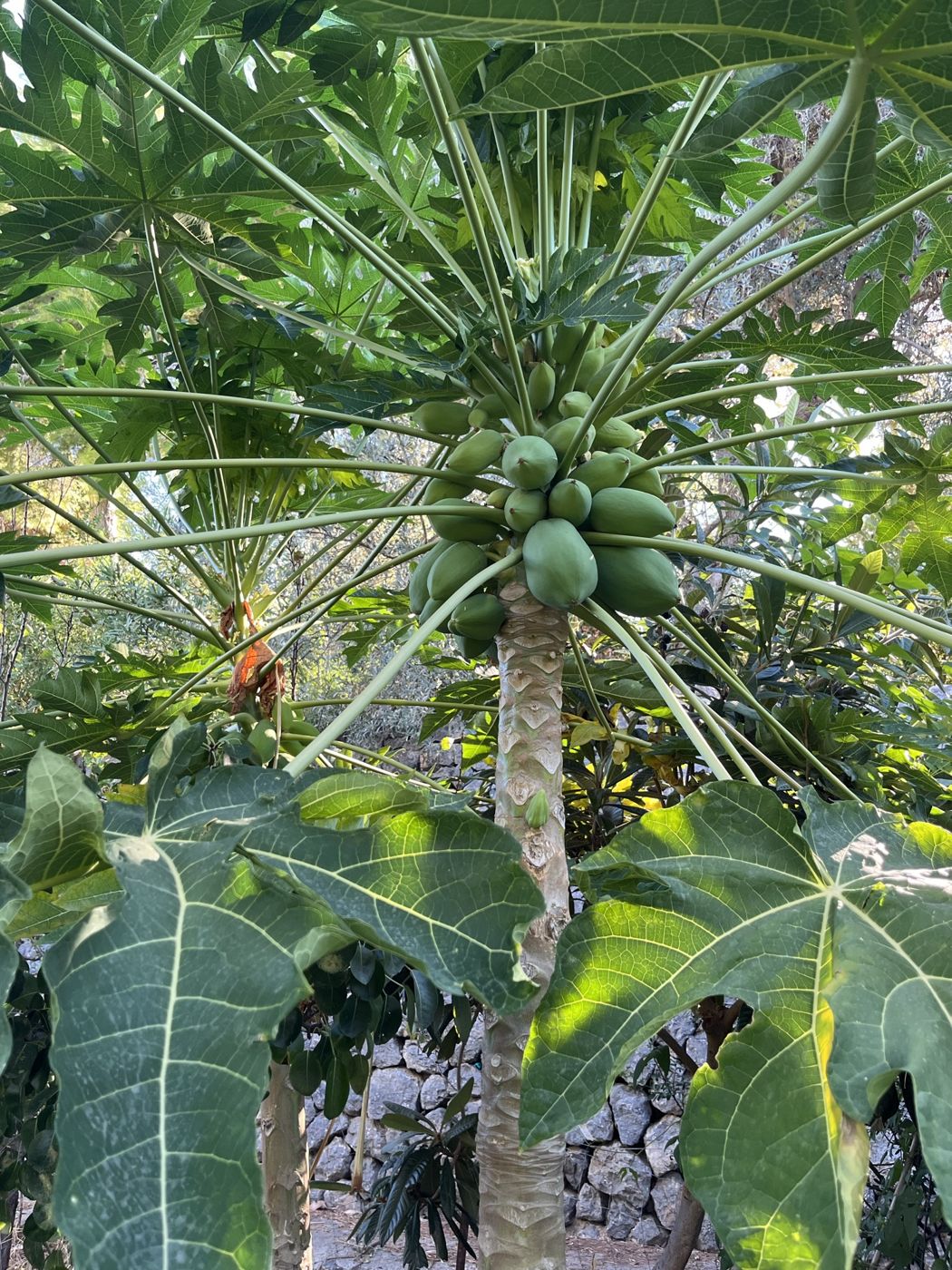
Syntropic agroforestry uses ecological succession, plant diversity, strategic pruning and the management of organic matter to guide the development of productive, layered vegetation systems.
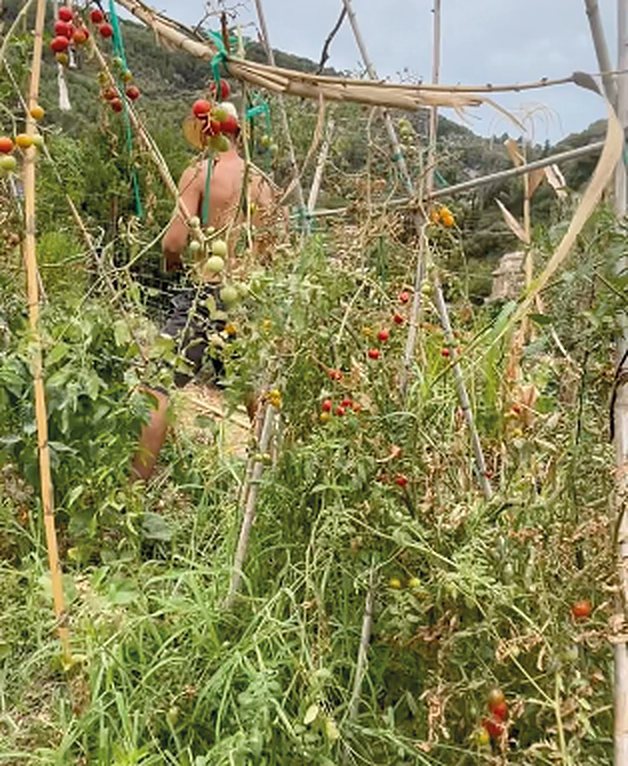
Trees, shrubs, vines, herbaceous plants and ground cover are arranged to interact over time. Pruning can return biomass to the soil and stimulate growth at all layers, while different plant heights and growth cycles help make use of available space, light and resources.
The aim is to develop systems that become increasingly productive, resilient and ecologically functional while supporting soil formation, water cycling and biodiversity.
These systems require careful design, observation and ongoing management. They are not a universal recipe, and their success depends on adapting methods to local conditions.
From gardens to landscapes
Our work can range from small domestic gardens to larger productive landscapes.
Depending on the site and the needs of the people managing it, we can explore regenerative garden design, syntropic agroforestry, edible landscapes, soil improvement, water-conscious planting and the integration of biodiversity into productive spaces.
We want to make regenerative practices more accessible and demonstrate how food production and ecological restoration can be complementary rather than competing goals.
How to work with us
- Design a regenerative garden. We can help develop a site-specific plan for a productive, biodiverse and climate-adapted garden.
- Explore syntropic agroforestry. We offer design and planning support for those interested in establishing or developing diverse, tree-based productive systems.
- Rethink your land. If you manage a property, agricultural plot or other landscape, we can explore opportunities to improve soil, vegetation diversity and ecological function.
- Learn through practice. We welcome opportunities to organise workshops, practical demonstrations and collaborative learning experiences.
- Collaborate on a project. We are interested in working with landowners, farmers, organisations and researchers who want to explore and implement regenerative practices.
- Every site is different. Our aim is to develop solutions that respond to its ecological conditions, the needs of the people who care for it and the possibilities that emerge over time.